Why the sky is blue, explained in 38 seconds
The sky is blue because air molecules, about 1,000 times smaller than light waves, scatter short blue waves nearly six times more than long red ones. That scattered blue light reaches your eyes from all over the sky, which is why the Moon, with no air, has a black sky under the same Sun.
| Title | Why the sky is blue |
|---|---|
| Subject | Science |
| Length | 38 seconds, narrated |
| Format | Vertical, 1080 by 1920 (shown here smaller) |
The script
The narration line by line, with what is drawn for each.
- Under the same Sun, Earth's sky is blue, but the Moon's sky is black.Words set large: Earth's blue sky set against the Moon's black one.
- White sunlight is a mix of red, yellow, green and blue.One thing splitting into parts: white sunlight into red, yellow, green and blue waves.
- Red waves are about 700 nanometres long; blue waves, about 450.Comparison: red waves against blue waves.
- Air molecules are about 1,000 times smaller than light waves.Size contrast: air molecules against light waves.
- Rayleigh scattering means tiny molecules scatter short waves far more than long ones.Named term: Rayleigh scattering, with its definition.
- So blue light gets scattered nearly six times more than red light.Comparison: how much blue light scatters against red.
- Scattered blue light bounces in every direction, reaching your eyes from all over the sky.Arrows converging: blue light reaching your eyes from across the sky.
- The Moon gets the same sunlight, but with no air, nothing scatters it blue.Words set large: the same sunlight, but no air.
Why this works as a short
The hook is a puzzle
The first line sets Earth's blue sky against the Moon's black one, under the same Sun. That is a question the viewer wants answered, and the last line answers it: the Moon gets the same sunlight, but with no air, nothing scatters it blue.
One idea
Everything in between builds to Rayleigh scattering. Sunlight is a mix of colours, blue waves are shorter than red, air molecules are far smaller than light waves, and tiny molecules scatter short waves far more than long ones. Each line adds one step.
Numbers said aloud
700 and 450 nanometres, about 1,000 times smaller, nearly six times more. Each number has a comparison drawn for it, so the size of the gap is something you see as well as hear.
More examples
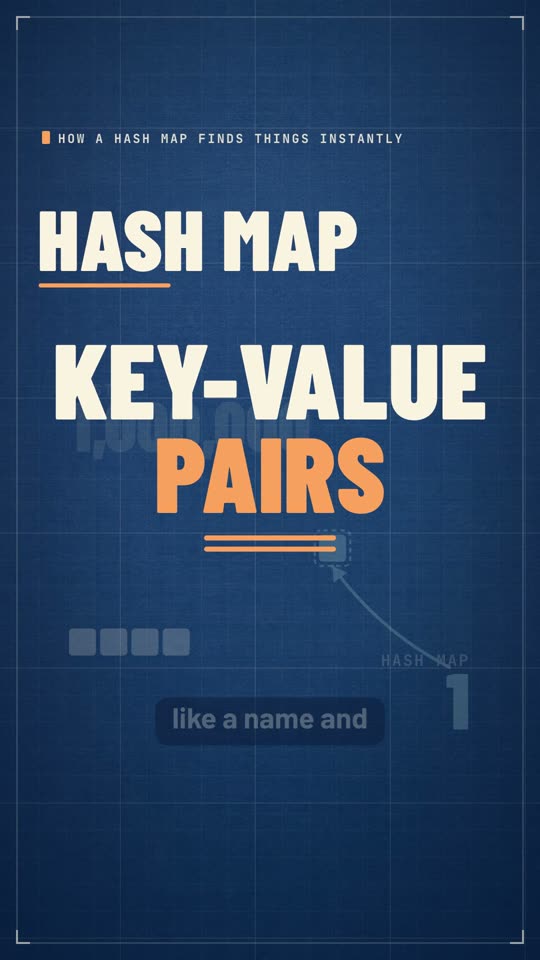 How a hash map finds things instantlyComputer science, 46 seconds
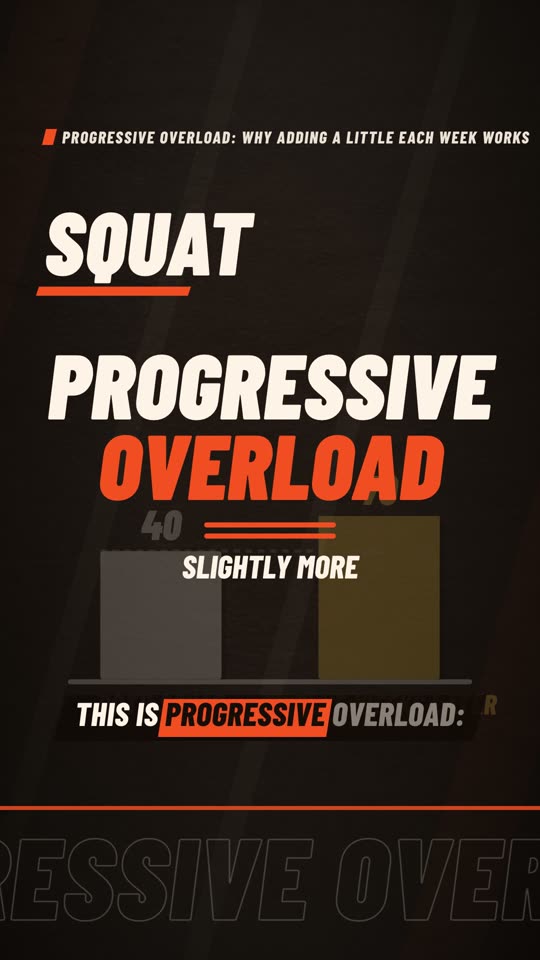 Progressive overload: why adding a little each week worksFitness, 38 seconds
To plan and script a short like this yourself, read how to make educational videos. All three examples are on the examples page.